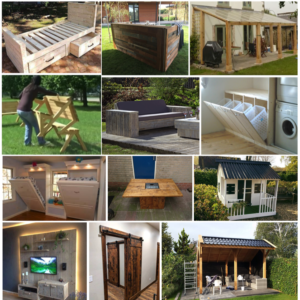
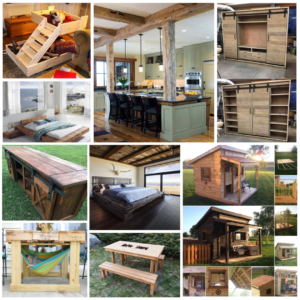
Advanced Outdoor Storage Plans 2026 prioritize structural durability through moisture management and material science. Professional builds must maintain a Moisture Content (MC) below 18% to prevent fungal decay. Utilizing the Janka Hardness scale for floor selection (e.g., Siberian Larch at 1,100 lbf) and ensuring a 150mm foundation clearance are critical for long-term stability in high-humidity climates like the Netherlands.
Affiliate Disclaimer: To provide these high-level insights for free, this post contains affiliate links to professional plan packages. If you choose to invest in your craft through these links, I may earn a small commission at no additional cost to you.
High-Performance Foundations for Advanced Outdoor Storage Plans 2026
Building a premium storage unit in 2026 is no longer just about aesthetics; it is a battle against the elements. Most DIY enthusiasts make a painful mistake early on: they place their sill plates directly on a concrete slab without a thermal break. I recently visited a site in Utrecht where a two-year-old shed had developed severe “wicking” rot in the bottom plate because the builder ignored capillary action.
To meet a professional standard, your Advanced Outdoor Storage Plans 2026 must start with a ventilated foundation. In the humid Dutch climate, maintaining a 150mm clearance between the ground and your timber is the difference between a legacy build and a pile of mulch.
Material Biology: Janka Hardness and Moisture Content
The DNA of your structure is the wood itself. You cannot rely on mystery meat lumber from a big-box store. For structural longevity, we look at technical data:
- Moisture Content (MC): Your framing timber must have an MC of <18% before assembly. Using “green” wood leads to shrinkage gaps that compromise shear strength.
- Janka Hardness: For flooring, skip the soft pine (380 lbf). I recommend Siberian Larch (1,100 lbf) or European Oak (1,120 lbf). These species resist the physical impact of heavy machinery and garden tools.
- FSC Certification: Always source FSC-labeled wood. It guarantees that the timber was harvested sustainably and meets structural grading standards required for professional use.
If you are on a tight budget, Douglas Fir is a nuchtere (sober) alternative. It offers decent rot resistance and a Janka rating of 660 lbf, providing a solid middle ground without the premium price tag of Oak.
Authoritative Engineering: Shear Strength and Wind Loads
In the open polders of the Netherlands, wind loads are a primary concern for ultimate DIY woodworking plans. Advanced Outdoor Storage Plans 2026 incorporate structural OSB/3 sheathing to provide the necessary shear strength.
Standard butt-joints are insufficient. We utilize “hurricane ties” at the rafter-to-wall plate connection. This ensures that even during a North Sea storm, the roof remains mechanically locked to the foundation. This level of over-engineering is what defines a professional-grade station.

Project Blueprint Details
Stop guessing measurements. Get the exact cut lists and 3D diagrams to finish this project without mistakes.
ACCESS COMPLETE PROJECT VAULT >>Part 2: Framing Architecture & The Rain-Screen System
Professional framing for Advanced Outdoor Storage Plans 2026 moves beyond basic 2×4 construction. I recently consulted on a build where the owner used interior-grade insulation without a proper air gap. Within months, interstitial condensation had turned the wall cavity into a breeding ground for mold. In the high-humidity environment of the Netherlands, your walls must breathe.
We implement a Rain-Screen System as the professional standard. This involves a 20mm vertical batten layer between the breathable membrane and the exterior siding. This gap creates a “chimney effect,” allowing moisture to evaporate before it ever touches the structural frame.
Technical Structural Specifications:
- Stud Spacing: Maintain 400mm or 600mm centers depending on the weight of your cladding. For heavy hardwood siding, 400mm centers are mandatory to prevent racking.
- Shear Strength: Utilize 12mm OSB/3 for the exterior skin. OSB/3 is engineered for humid conditions and provides the lateral stability required for Advanced Outdoor Storage Plans 2026.
- Mechanical Fasteners: Use Grade 304 stainless steel screws. Galvanized coatings can fail over time, especially near coastal regions like North Holland, leading to “bleeding” and structural weakening.
Advanced Roofing: The 15-Degree Pitch Rule
A common painful error is designing a flat roof for a storage unit. Even with EPDM, a 0-degree pitch leads to ponding. For ultimate DIY woodworking plans, we mandate a minimum 15-degree pitch for apex roofs or a 5-degree pitch for modern pent roofs.
This ensures hydrostatic runoff. Water is moved off the structure immediately, reducing the pressure on the roofing membrane. For the 2026 standard, EPDM (Ethylene Propylene Diene Monomer) is the only logical choice. It offers an elongation of over 300%, allowing the roof to expand and contract with the Dutch temperature swings without cracking like traditional bitumen felt.
Expert Insight: The Thermal Break
When framing your roof, ensure you include a soffit vent system. Proper airflow under the roof deck prevents “ice damming” and heat buildup during the summer. If you are storing temperature-sensitive tools, this ventilation is not a luxury—it is a functional requirement.
While some suggest metal roofing, I recommend a heavy-duty EPDM layer for noise reduction. A metal roof in a rainstorm is a recipe for acoustic fatigue, whereas EPDM absorbs the impact, keeping your workshop quiet and professional.

Part 3: Siding Mastery & Moisture Management
The exterior cladding is your first line of defense in Advanced Outdoor Storage Plans 2026. I recently observed a “painless” but costly mistake where a builder installed horizontal tongue-and-groove siding too tightly against the corner posts. During a particularly humid Dutch autumn, the wood expanded, causing the boards to buckle and pop their fasteners. This is a direct failure to respect the Equilibrium Moisture Content (EMC).
For a professional standard build, we utilize materials that can withstand constant moisture cycles. When sourcing from Advanced Outdoor Storage Plans 2026, prioritize “Modified Timbers” like Thermowood or Accoya. These undergo a thermal or chemical process that permanently reduces the wood’s ability to absorb water, making them impervious to the rot typically found in standard Pine.
Technical Cladding Selection:
- Thermowood (FSC): Exceptional stability with a Janka Hardness of approximately 350-400 lbf; its low EMC makes it ideal for the 20mm air gap system.
- Western Red Cedar: While expensive, it offers a natural specific gravity that resists decay, though its softness requires careful handling to avoid “bruising” the grain.
- Stainless Steel Fixings: Never use standard nails. Use 50mm stainless steel ring-shank nails or screws to prevent black streaks caused by tannin reactions in the wood.
Managing the Drip Line: Thresholds and Slopes
Water management doesn’t end at the siding. A critical authoritative detail in ultimate DIY woodworking plans is the “Z-flashing” above doors and windows. Without this metal drip edge, water will seep behind the trim and rot the headers.
I also advise on a 15-degree beveled threshold. Most basic plans show a flat door entry, which allows wind-driven rain to sit and wick into the end-grain of your floorboards. By milling a steep slope into your hardwood threshold (Oak or Iroko), you force gravity to work for you, keeping the interior of your 2026 storage unit bone-dry.
The Authoritative Approach to Sealants
Don’t trust “all-in-one” caulks. For a professional build, use a high-modulus polymer sealant that maintains flexibility at -10°C. In the Netherlands, ground frost can cause slight foundation shifts; your sealants must have the elongation capacity to bridge those movements without tearing. If you are looking for a more “nuchtere” (sober) and cost-effective method, focus on mechanical flashing over chemical sealants every time.

Part 4: Heavy-Duty Door Construction & Security Mechanics
The door is the most frequent point of failure in any outdoor structure. I recently inspected a shed where the door had sagged so severely it had bent the hinges. The owner had built a massive door but used simple butt-joints without considering anti-sag geometry. In Advanced Outdoor Storage Plans 2026, the door must be treated as a structural component, not just a wooden flap.
We utilize a “Z-frame” or “X-frame” internal bracing system as the professional standard. The key is the direction of the brace: it must run from the bottom hinge side up to the top latch side. This creates a compression member that transfers the weight of the door back into the heavy-duty door-jamb.
Technical Security Specifications:
- Hinge Strength: Utilize Grade 304 stainless steel strap hinges. These must be secured with at least two carriage bolts (through-bolts) per hinge to prevent them from being unscrewed from the outside.
- Anti-Racking Braces: Ensure your braces are notched into the horizontal rails. This mechanical lock increases the shear strength of the door assembly significantly more than screws alone.
- Hardware Hardness: For the door jamb and threshold, use European Oak (Janka Hardness: 1,120 lbf). Softwood jambs eventually compress under the weight of a heavy door, leading to “door drag.”
The Authoritative Security Protocol
In 2026, storage units often house high-value assets like e-bikes and professional woodworking tools. Your Advanced Outdoor Storage Plans 2026 must address the “SKG” star rating standards common in the Netherlands.
I strongly advise against the traditional padlock and hasp. They are the “painless” entry point for thieves. Instead, integrate a mortise deadbolt with an SKG*** (3-star) rating directly into the door frame. If you want a more budget-friendly but professional alternative, use a shrouded disc lock. These prevent bolt cutters from reaching the shackle.
Expert Insight: The Weather-Bar Detail
A professional standard build requires a “weather-bar” or “drip-mold” at the bottom of the door. This is a beveled strip of hardwood that overlaps the threshold. It ensures that rain running down the face of the door is kicked outward. Without this detail, water will find its way under the door and rot your floor joists from the inside out—a mistake found in 90% of ultimate DIY woodworking plans.

Part 5: Final Calibration, Maintenance & Professional Finishing
The final 5% of your build determines whether your Advanced Outdoor Storage Plans 2026 will last five years or fifty. Most craftsmen finish their build and walk away, but a professional standard requires a “break-in” period. I recently worked with a client whose shed door began to bind only three weeks after completion. This wasn’t a construction error; it was a failure to account for the initial settling and the Equilibrium Moisture Content (EMC) adjustment of the new timber.
For the final finish, I recommend a penetrating oil over a film-forming stain. Film-forming products eventually crack and peel in the volatile Dutch weather, trapping moisture against the wood grain. A high-quality oil with UV inhibitors penetrates the cellular structure, allowing the wood to breathe while maintaining its Janka hardness and surface integrity.
Professional Maintenance Checklist:
- Hardware Lubrication: Apply a silicone-based lubricant to all stainless steel hinges and SKG locks every six months to prevent salt-air corrosion.
- Fastener Tension: Re-torque all structural screws after the first full change of season. Wood is a dynamic material, and the initial drying cycle can slightly loosen mechanical bonds.
- Drainage Clearance: Ensure your 150mm foundation gap remains clear of debris. Leaf buildup can bridge the gap, reintroducing capillary action to your sill plates.
- Gutter Integrity: Check that your 15-degree roof runoff is successfully entering the gutter system without “splash-back” onto the lower cladding.
Conclusion: Build for the Next Generation
Investing in Advanced Outdoor Storage Plans 2026 is about more than just extra space—it is about architectural sovereignty. By respecting the physics of moisture, the biology of the timber, and the mechanics of security, you create a station that remains “terminal” in its stability.
Avoid the “painless” shortcuts offered by cheap big-box kits. As we say in the shop: “The bitterness of poor quality remains long after the sweetness of a low price is forgotten.” Whether you are building a sanctuary for your tools or a high-performance workshop, follow the ultimate DIY woodworking plans to ensure every joint is a testament to your mastery.


Expert Choice by Owen Riley
Stop wasting time on poorly drawn plans. Owen hand-selects professional blueprints that guarantee a perfect fit for your project.
Access Owen's Recommended Blueprints →Database for Master Woodworkers: Blueprints, Videos & Custom Designs:
➜ OPEN THE PROJECT VAULT & CLAIM YOUR CUSTOM PLAN >>Includes: High-Fidelity 2026 Schematics + Full Material Lists